
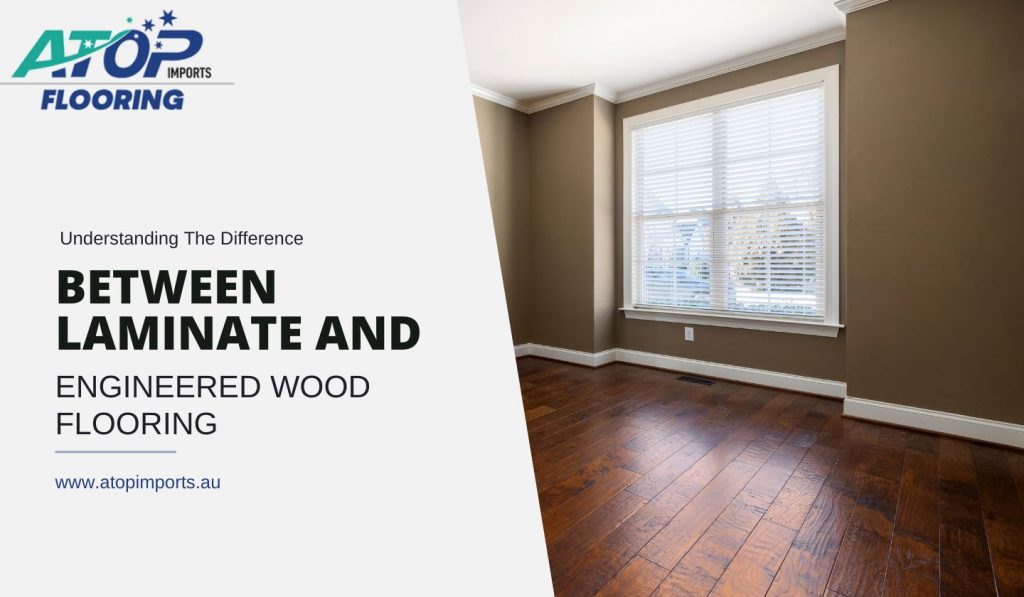
If you’re a homeowner looking for flooring in Springvale and are confused between laminate and engineered wood, then you’re not alone.
Most homeowners often struggle to decide between the two most popular flooring choices.
Today, we’ll explore the best of both worlds, their advantages, limitations, and other crucial information you’ll need to make an informed decision.
Additionally, we’ll also share expert tips to keep your flooring in excellent condition for a longer time without much effort.
But let’s start with the basics first!
What Is Laminate Flooring?
Laminate flooring is a synthetic product that replicates the look of real wood. It’s built from multiple layers: a tough wear layer on top, a printed decorative layer that mimics timber grain, and a dense fiberboard core beneath. Some laminates even have protective coatings to improve water resistance.
Laminate Wood Advantages
- Highly durable against scratches and everyday wear, its hard upper layers make it easier to clean and make it stronger.
- It is available in countless colors and finishes, giving more options to choose from.
- Affordable and easy to install
Laminate Wood Limitations
- Once damaged, laminate wood can not be repaired easily.
- Even though it can withstand some water, it is not completely waterproof.
What Is Engineered Wood Flooring?
Engineered wood flooring offers the authentic appeal of real timber but with improved stability. It’s made of several layers of plywood or high-density fibreboard, topped with a real hardwood veneer. This layered construction reduces expansion and contraction compared to solid timber, making it ideal for homes in varied climates.
Engineered Wood Advantages
- Genuine wood surface for natural beauty and costs often less than other flooring solutions.
- More moisture-resistant than solid timber, making it an ideal choice for kitchens and bathrooms.
- It can be refinished at least once, depending on veneer thickness, but not as much as its other counterparts.
Engineered Wood Limitations
- Engineered wood is often more costly than laminate and other flooring solutions.
- Some low-quality engineered wood flooring may have thin veneers, which can cause warping and damage. However, this can be avoided by choosing a reliable manufacturer like Atop Imports Flooring.
Maintenance and Cleaning Hacks for Engineered and Laminate Woods
- Experts suggest vacuuming or sweeping the floors daily to avoid dust and debris accumulation, which may damage the surface.
- Clean up liquids or spills quickly to avoid excess moisture that may damage the floor.
- Don’t use detergents or other harsh chemicals to clean the floor. Make sure you’re only using a manufacturer’s recommended cleaner.
- Lastly, place furniture pads under the furniture and doormats at every entrance to keep their condition new-like.
Get World-Class Laminate and Engineered Wood Flooring With Atop Imports Flooring
Both laminate and engineered wood flooring have their unique advantages. Your choice ultimately depends on your budget, design preferences, and how you use each space.
Another crucial decision you can make is installing quality flooring. This is where Atop Imports Flooring is of help.
We are one of the most reliable and trusted flooring suppliers, offering world-class flooring solutions.
So, whether you want a laminate wood, engineered wood, or tile flooring Melbourne for your new dream home, contact Imports Flooring Solutions today and get your dream flooring within your budget.
Frequently Asked Questions
1. Which is cheaper: laminate or engineered wood?
Laminate flooring is more cost-effective than engineered wood in the short term. However, engineered wood is more cost-effective in the long term as they’ve a longer lifespan.
2. Which lasts longer: laminate or engineered wood?
Engineered wood typically lasts around 20-40 years; on the other hand, laminate wood flooring lasts around 10-20 years.
3. Is laminate flooring suitable for Australian climates?
Yes, laminate flooring is suitable for Australian climates because of its durability, performance, and versatility, and is often a preferred choice among homeowners in Australia.